Address
304 North Cardinal
St. Dorchester Center, MA 02124
Work Hours
Monday to Friday: 7AM - 7PM
Weekend: 10AM - 5PM
Address
304 North Cardinal
St. Dorchester Center, MA 02124
Work Hours
Monday to Friday: 7AM - 7PM
Weekend: 10AM - 5PM

The history of the introduction of Christianity into China spans multiple dynasties and centuries, with each phase bearing distinct characteristics of its era. From the initial appearance of Jingjiao (Nestorian Christianity) during the Tang Dynasty to the introduction of Catholicism during the Yuan Dynasty, and subsequently to the revival and expansion of both Catholicism and Protestantism during the Ming and Qing Dynasties, each period saw the emergence of pivotal figures who bore witness to the dissemination and growth of Christianity within China. This history reflects the complexities inherent in the cultural and religious interplay between China and the wider world, and serves as a crucial lens through which to understand the historical relationship between China and the West.
I. The Tang Dynasty: The Introduction of Jingjiao to China
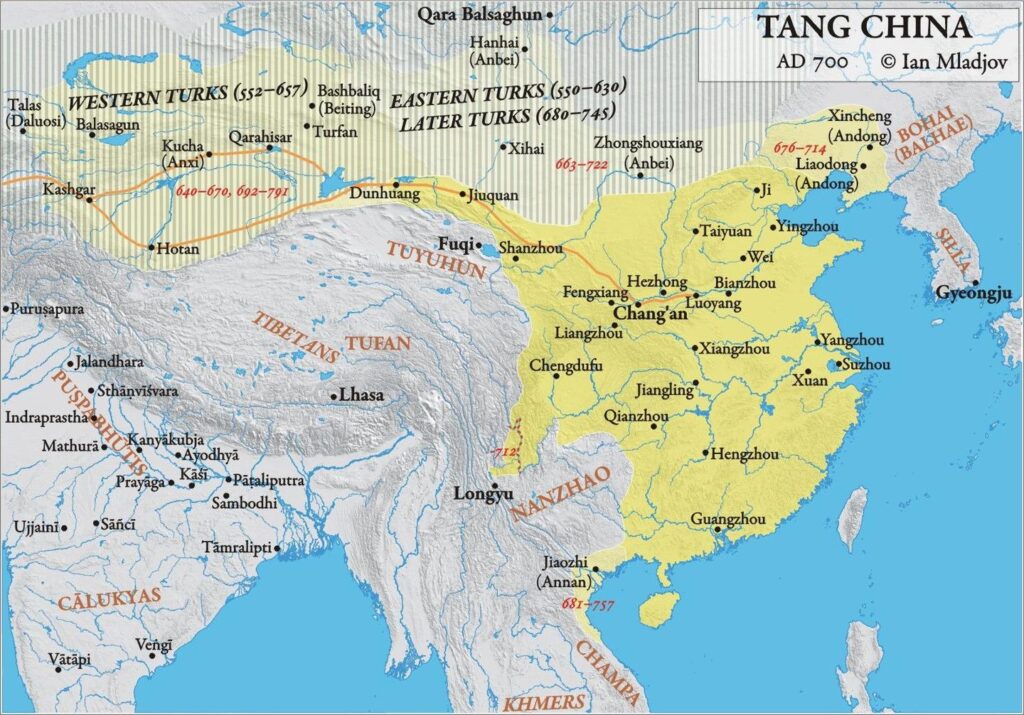
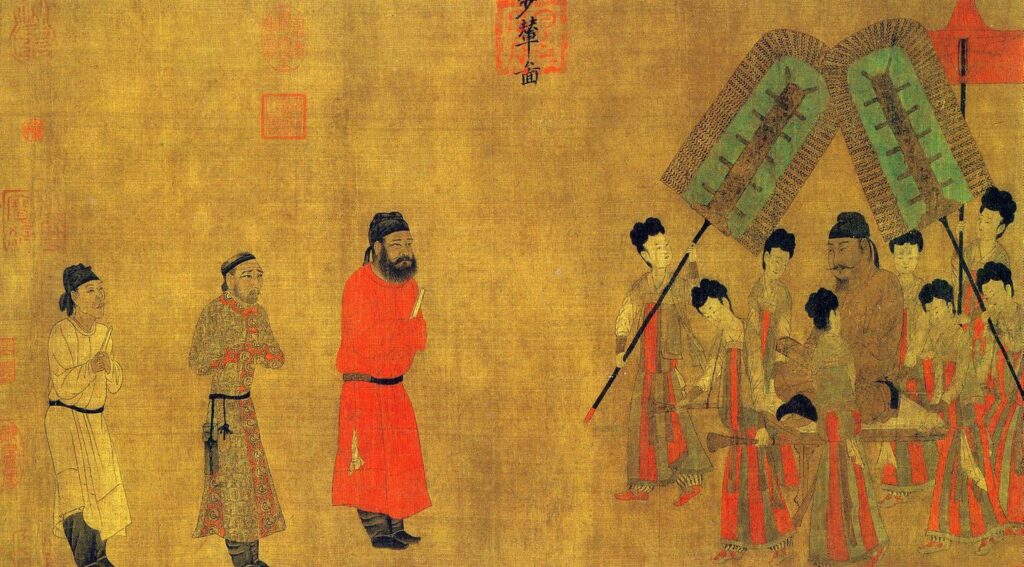
The earliest recorded entry of Christianity into China can be traced back to the Tang Dynasty, specifically to the Nestorian Religion (Jingjiao) of the 7th century. Jingjiao was a branch of Nestorian Christianity.
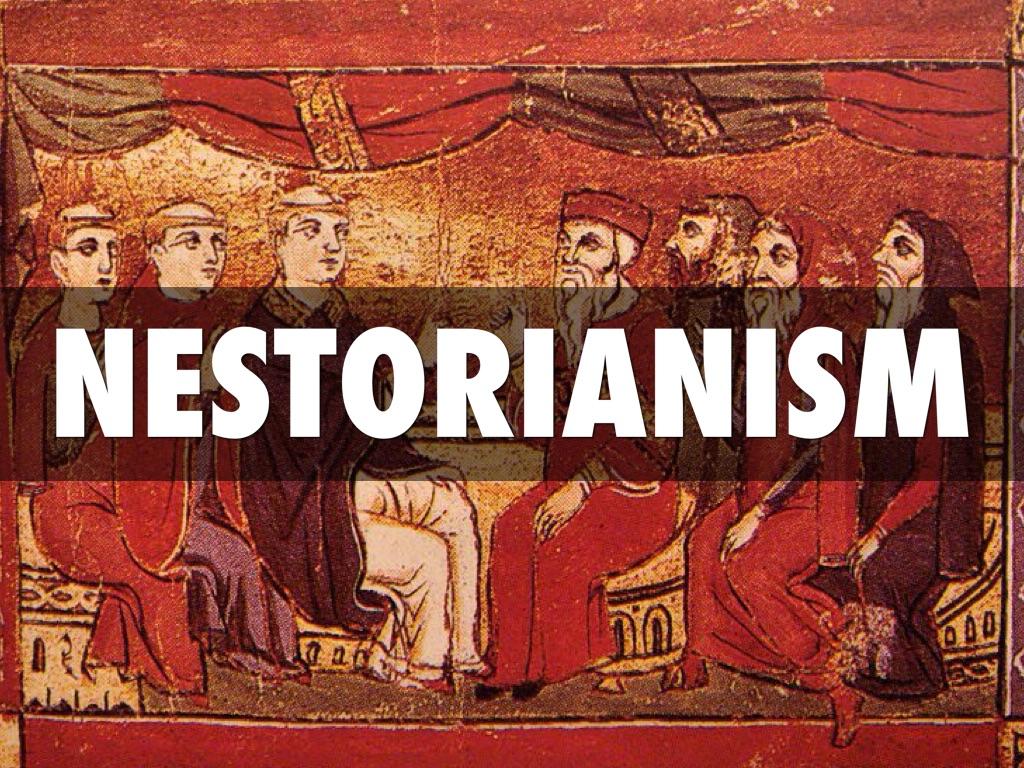
Originating in the Eastern Roman Empire, it was expelled from mainstream Christianity because it was considered heretical.

Jesus’s humanity and divinity were held to be distinct; consequently, this doctrine was condemned as heresy.
Eventually, it spread to Persia and, via the Silk Road, made its way into China.
The Tang Dynasty’s open and multicultural policies provided fertile ground for the propagation of Nestorianism.
1. The Arrival of Nestorianism
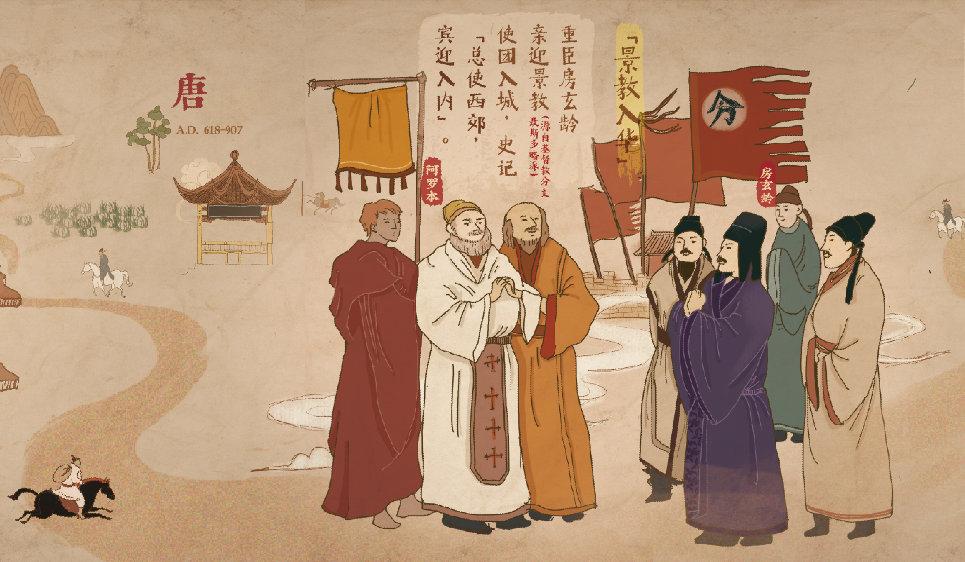
In 635 AD, the Nestorian priest Alopen arrived in Chang’an (present-day Xi’an) from Persia, bringing with him the Bible and other doctrinal texts. Emperor Taizong of Tang, Li Shimin, held an open attitude towards novel foreign cultures.
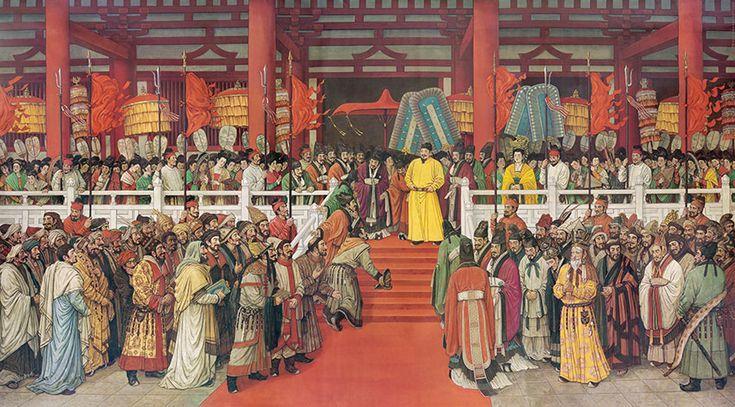
The government approved Alopen’s permission to establish a church and preach in Chang’an.
This event marked the formal entry of Christianity into China. The Nestorian Church was translated as “Da Qin Jingjiao” (大秦景教).
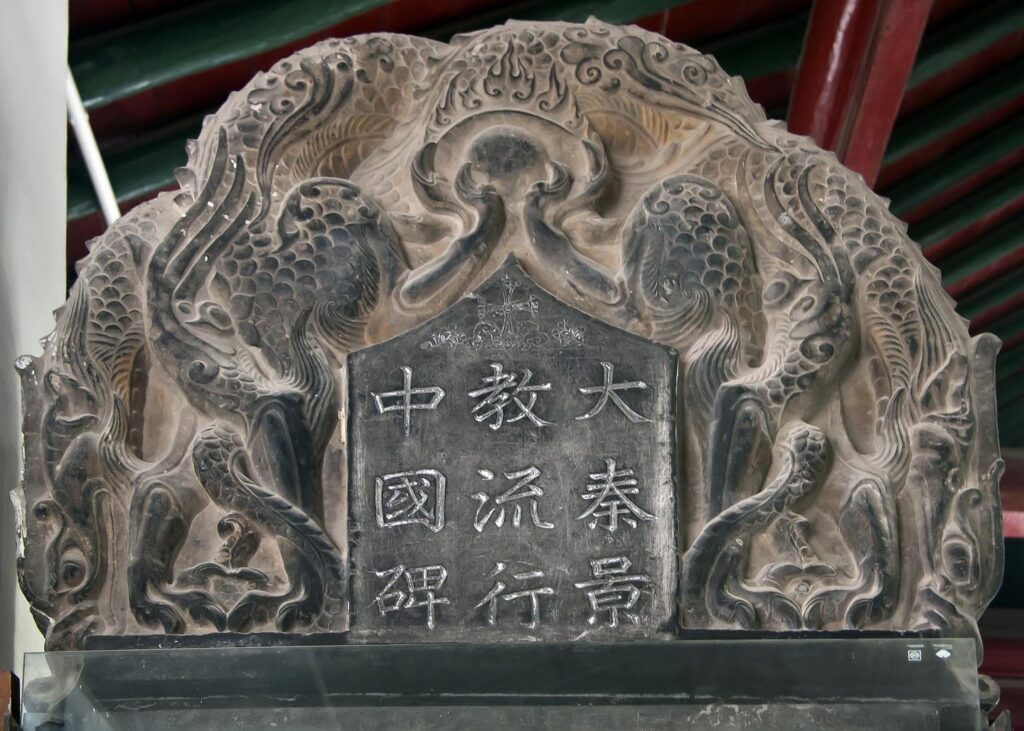
In this context, “Da Qin” was the name used by ancient China to refer to the Roman Empire and its surrounding regions.
2. The Spread and Influence of Nestorianism
During the Tang Dynasty, Nestorianism achieved considerable momentum in its propagation. Alopen not only garnered the support of Emperor Taizong of Tang but was also held in high esteem by Emperor Gaozong and Empress Wu Zetian. During the reign of Wu Zetian, Nestorianism was even accorded the honorary title of “Holy Religion.” Nestorian churches—known as *Jingsi* (Temples of Light)—were successively established in Chang’an and other major cities; Nestorian scriptures were translated into Chinese, and many of these texts—such as *The Monotheistic Treatise*—articulated the fundamental tenets of the Christian faith.
The spread of Nestorianism also exerted a certain degree of social influence. Many Central Asian merchants adhered to the faith, enjoying a measure of freedom within the religiously pluralistic environment of the Tang Dynasty. Nestorianism’s emphasis on charity and poverty relief attracted the attention of some segments of the populace; however, due to fundamental differences in religious concepts, it never became a mainstream religion within Chinese society.
3. Key Figures
Alopen: The pioneer responsible for introducing Nestorian Christianity to China. Through his interactions with the Tang Dynasty emperors, he not only successfully established the foundations of the faith but also laid the groundwork for its early development within China.
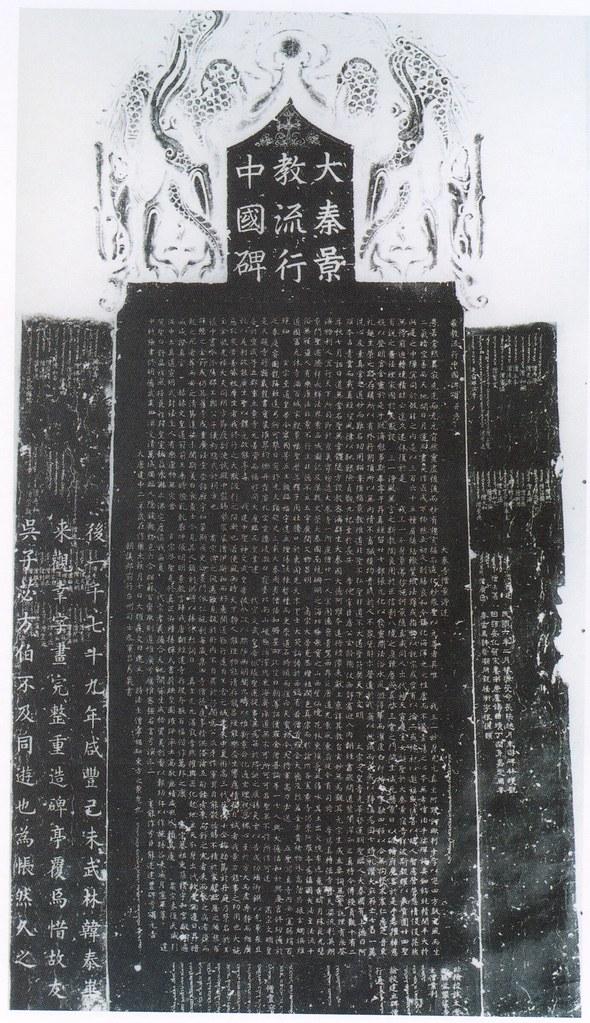
Jingjing: A Nestorian monk responsible for composing the *Monument to the Propagation of the Illustrious Religion of Daqin in China*. This inscription not only chronicles the history of Nestorianism’s dissemination but also reflects the cultural exchange between the faith and the Tang Dynasty.
Yisi: A Nestorian monk active during the reign of Emperor Xuanzong of the Tang Dynasty. He frequently offered prayers on behalf of the Emperor, a practice that underscores the unique status Nestorianism held within the imperial court at the time.
4. Decline
With the outbreak of the An Lushan Rebellion in the mid-Tang Dynasty, social unrest intensified, and the propagation of Nestorianism faced significant restrictions. By the 9th century—during the Huichang Suppression (specifically, Emperor Wuzong of Tang’s campaign to eradicate Buddhism)—Nestorianism, alongside Buddhism and other foreign religions, fell victim to a sweeping crackdown; it subsequently entered a period of gradual decline and eventually vanished.
II. The Yuan Dynasty: The Reintroduction of Catholicism
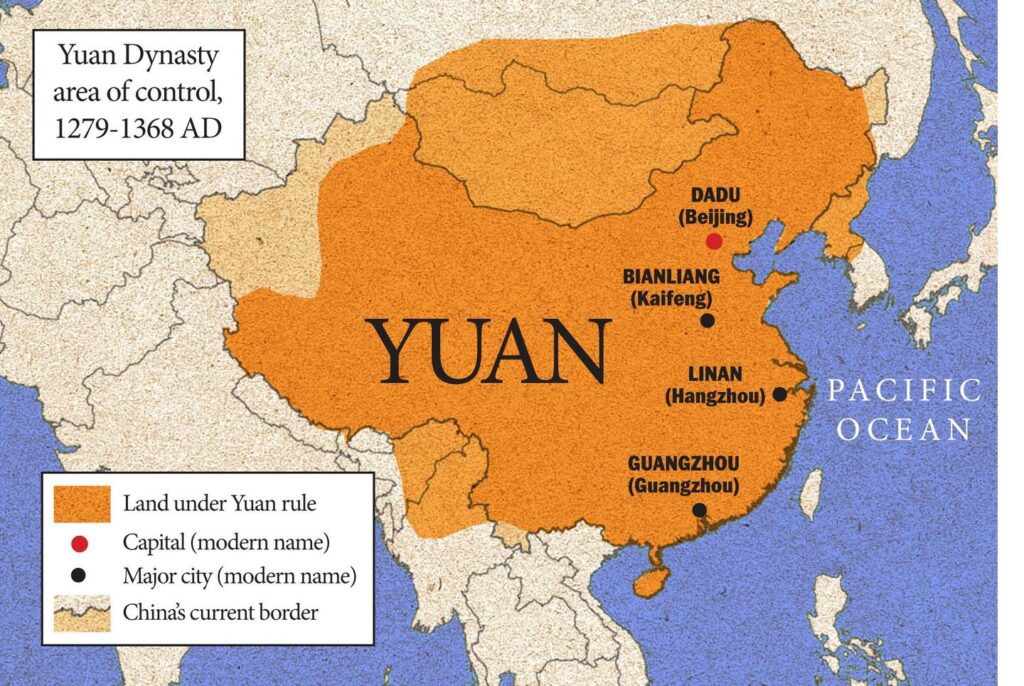
The Yuan Dynasty (1271-1368) was another important period for the development of Christianity in China, this time primarily introducing Roman Catholicism. With the expansion of the Mongol Empire and the deepening of East-West exchanges, Western Catholic missionaries had the opportunity to enter the Yuan court and society, and Catholicism once again attracted attention in China during this period.
1. The Introduction of Catholicism
As early as the mid-13th century, the Mongol Empire’s westward conquests not only opened up trade routes across Eurasia,
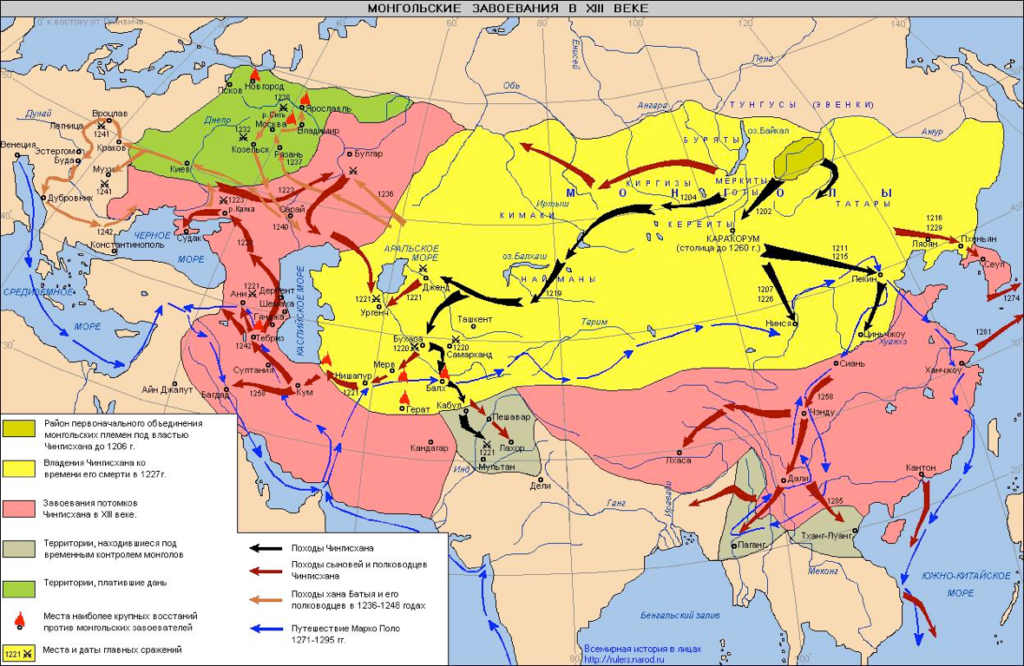
It also created opportunities for the spread of Christianity. In 1245, Pope Innocent IV dispatched Franciscan missionaries to Mongolia in an attempt to establish contact with the Mongol rulers. Although these early missionaries were unsuccessful in their evangelizing efforts, they paved the way for subsequent missionary work.

In 1294 AD, the Italian Franciscan missionary Giovanni da Montecorvino

He began his missionary work in China during the Yuan Dynasty. In Dadu ( Beijing)
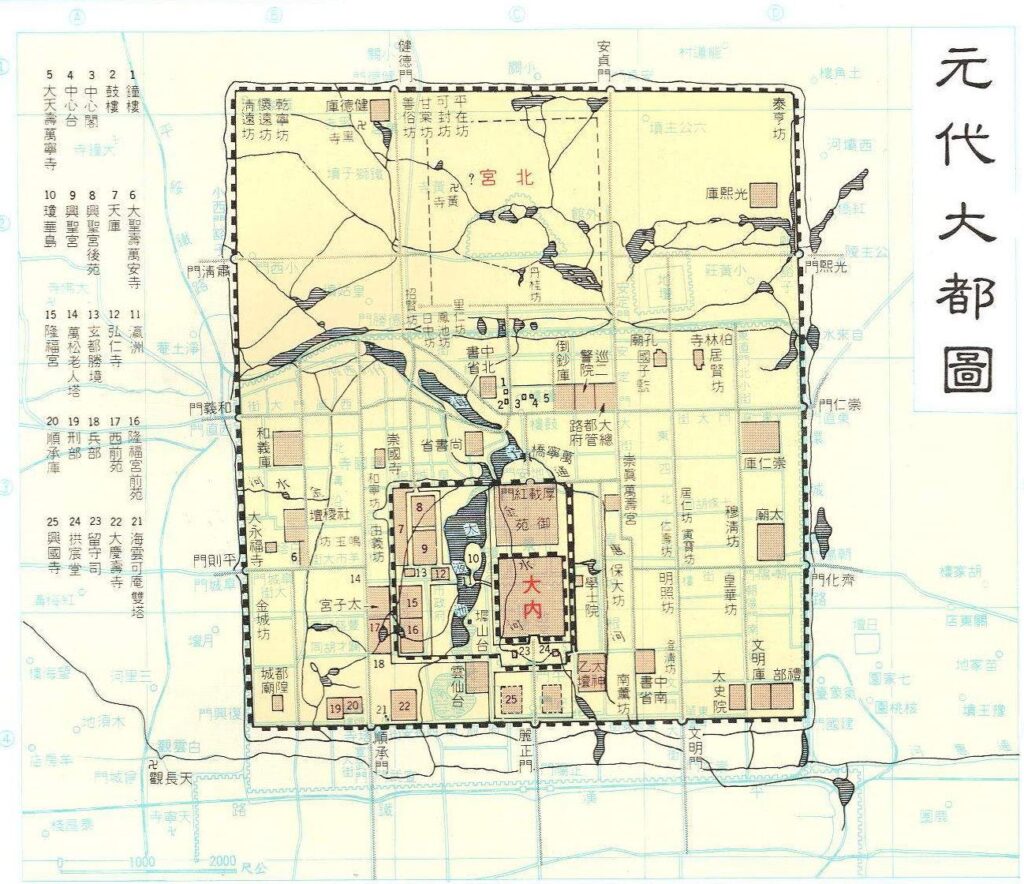
He established China’s first Catholic church, secured the support of Emperor Chengzong of the Yuan Dynasty, and became China’s first Catholic bishop.
2. The Spread of Catholicism

During the Yuan Dynasty, the spread of Catholicism was primarily concentrated in the northern capital, Dadu, and its surrounding regions. John of Montecorvino not only translated portions of the Bible and doctrinal texts but also successfully won the faith of several Mongol nobles. He further established churches and schools, cultivated a community of believers, and even personally raised numerous orphans, educating them to become devout Christians.

Although John of Montecorvino’s missionary work yielded some results, the spread of Catholicism remained limited due to the social structure of the Yuan Dynasty and cultural differences. The Mongol rulers adopted a tolerant attitude toward Catholicism, yet Christianity did not exert a widespread influence on Chinese society.
3. Key Figures
John of Montecorvino:
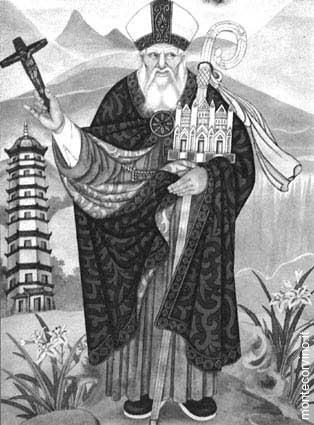
The most important Catholic missionary of the Yuan Dynasty, and the first Catholic bishop in Chinese history. He established a Catholic church in Dadu (the Yuan capital) and contributed to the initial spread of Catholicism.
Odorico:

Another Franciscan missionary, who arrived in China in 1325, traveled through numerous cities—including the capital, Dadu—and left behind detailed travel accounts that serve as invaluable sources for understanding China.
Marco Polo:
Although Marco Polo was not a missionary, as a Catholic, his Travels of Marco Polo garnered widespread attention across Europe and sparked the interest of even more missionaries in the East.

III. The Ming and Qing Periods: The Revival and Expansion of Catholicism
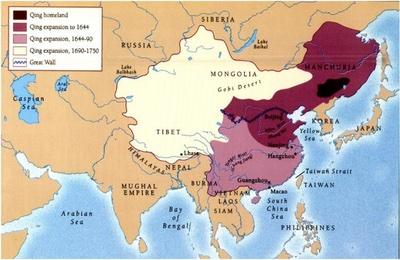
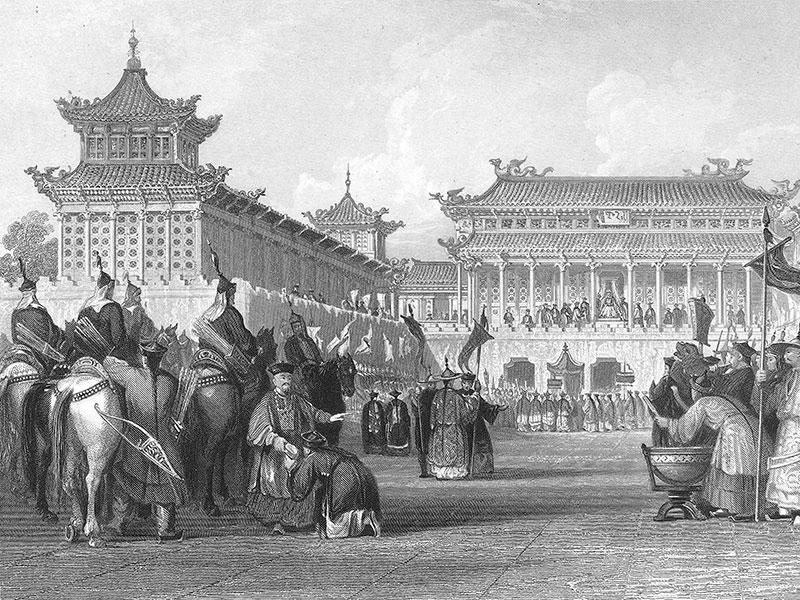
During the Ming (1368–1644) and Qing (1644–1912) dynasties, the propagation of Catholicism reached a new high point. Particularly after the 16th century—coinciding with the unfolding of the European Age of Discovery—Jesuits emerged as the primary missionary force; through their engagement with China’s elite classes, they facilitated the spread of Catholicism within the country.

Upon entering China—unlike the missionaries who preceded him—Matteo Ricci adopted a distinct strategy: he immersed himself in Chinese society by mastering its culture and language, while actively engaging with the scholars and officials of the Ming Dynasty. By adopting the attire of a Confucian scholar and interpreting Christian doctrine through the lens of Confucian thought, he earned the respect of China’s upper classes.
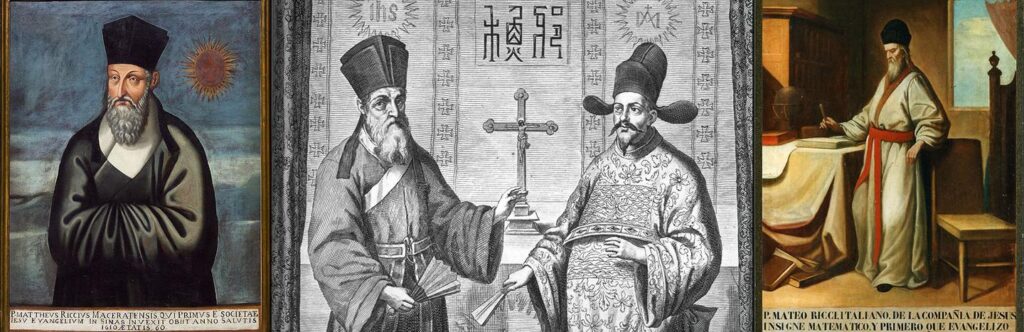
Matteo Ricci’s missionary strategy proved highly successful; not only did he secure the support of key officials and intellectuals, but he also paved the way for the further dissemination of Catholicism within China. Through the publication of Chinese-language texts and the introduction of Western scientific knowledge, Ricci and his successors fostered a profound encounter and fusion between Catholicism and traditional Chinese culture.
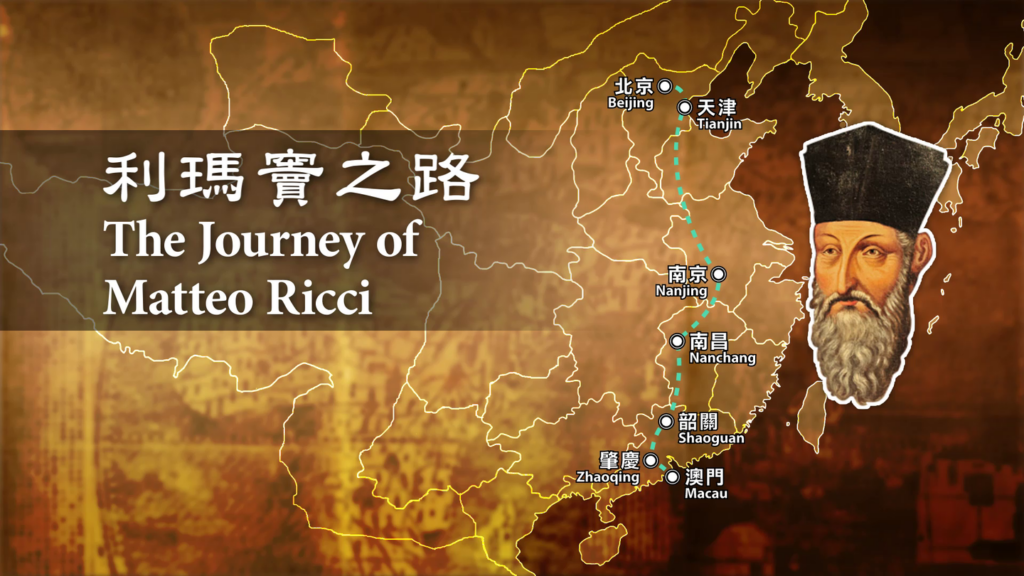
During the Ming and Qing dynasties, the propagation of Catholicism relied primarily on the interactions between Jesuit missionaries and China’s upper classes. Catholicism was viewed not merely as a religious faith, but also as a cultural force imbued with advanced scientific and technological knowledge. Many missionaries—such as Johann Adam Schall von Bell and Ferdinand Verbiest—attained prominent positions within the Qing imperial court through their contributions in fields such as astronomy, calendrical science, and mechanics.
However, Catholicism also faced conflicts and challenges during this period. The most notable of these was the so-called “Chinese Rites Controversy.” This controversy involved disputes—both among the missionaries themselves and between the Pope and the Chinese Emperor—regarding whether Chinese Catholics could continue to practice ancestral worship and veneration of Confucius. Some Jesuits argued that these practices were integral to Chinese cultural tradition and should be regarded as social customs rather than religious rites; consequently, they permitted believers to continue participating in these activities. Conversely, missionaries from other orders—such as the Dominicans—as well as the Holy See in Rome, maintained that such practices were incompatible with Catholic doctrine. Ultimately, in 1704, Pope Clement XI formally issued a papal decree addressing this matter.
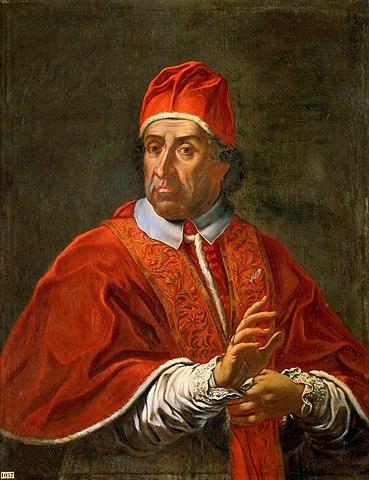
Chinese Catholics were prohibited from participating in these activities. This decision displeased the Kangxi Emperor of the Qing Dynasty.
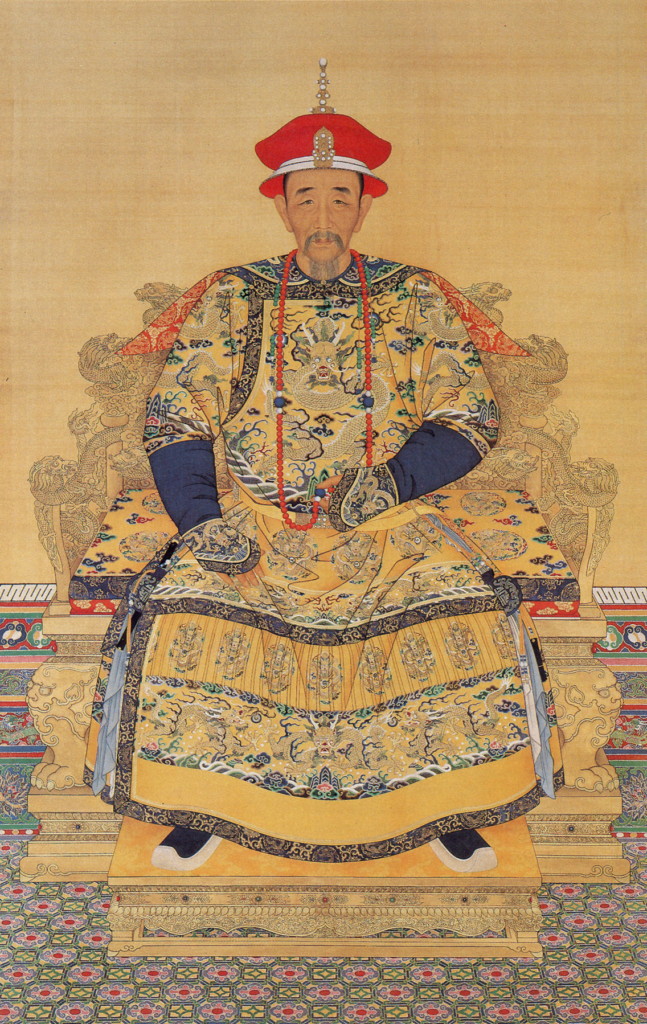
He subsequently issued a ban prohibiting the propagation of Catholicism in China.

A Jesuit missionary, considered a pivotal figure in the resurgence of Catholicism during the Ming Dynasty. He was not only a successful missionary but also influenced China’s intellectual elite through the mediums of science, philosophy, and other disciplines.
Johann Adam Schall von Bell:

A Jesuit missionary, he became an advisor to the Shunzhi Emperor of the Qing Dynasty due to his contributions to astronomy and calendrical science. His influence secured a prominent status for Catholicism within the Qing imperial court.
Ferdinand Verbiest:
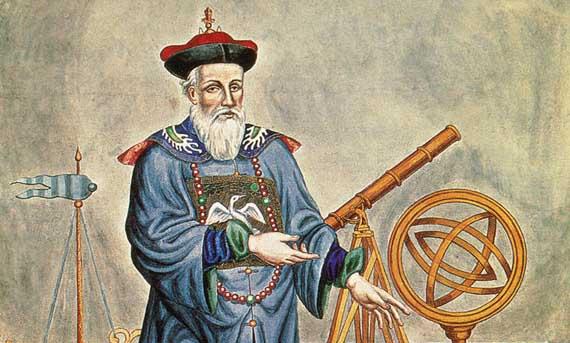
Succeeding Adam Schall von Bell in his missionary work, he served as the astronomical advisor to the Kangxi Emperor. Although he supported the Jesuit stance during the Rites Controversy, he ultimately failed to prevent the prohibition of Catholicism within the Qing Dynasty.
Over the century that followed, although Catholicism retained a small number of adherents in certain regions, its overall influence was significantly diminished.
IV. From the 19th Century to the Present: The Advent of Protestantism and Its Modern Development
Following the Opium Wars of the 19th century, China was compelled to sign a series of “unequal treaties,” through which Christianity—encompassing both Catholicism and Protestantism—once again gained the legal right to be propagated within the country. Protestant missionaries entered China in the wake of the armies and merchant caravans, thereby initiating large-scale missionary endeavors.
1. The Advent of Protestantism
Protestant missionaries first arrived in China in the early 19th century; the first missionary to reach the country was the Englishman Robert Morrison.
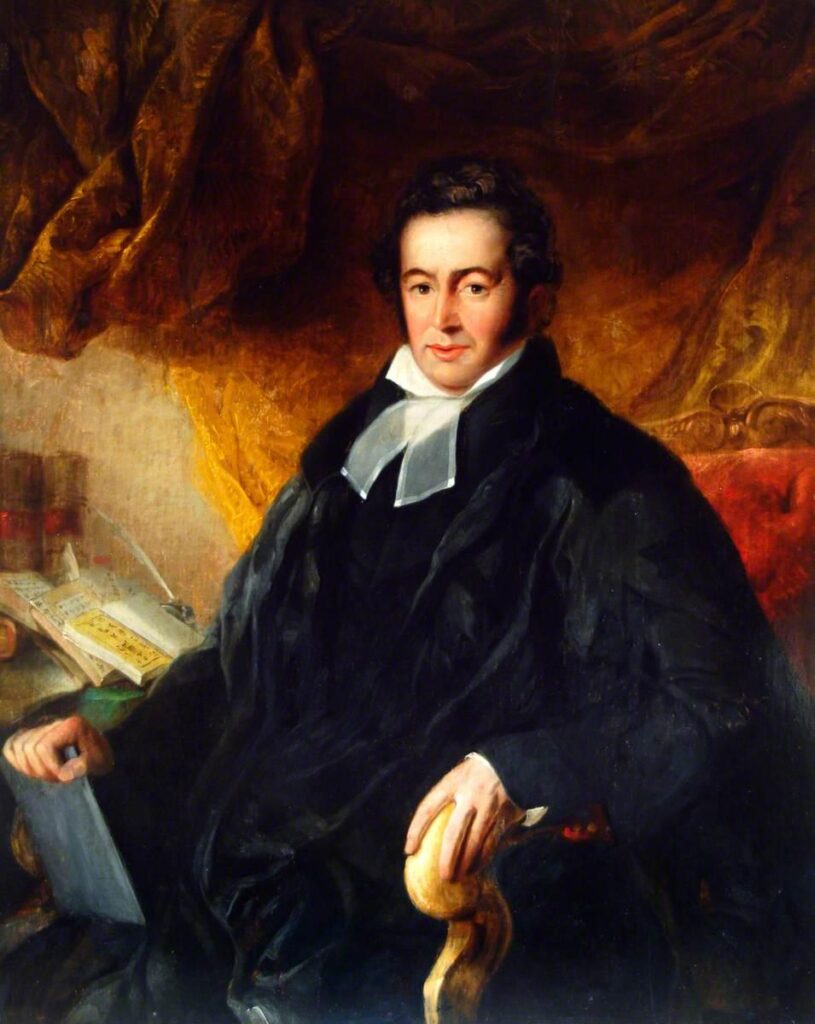
He arrived in Guangzhou in 1807, becoming China’s first Protestant missionary. His primary focus was translating the Bible into Chinese and training local Chinese missionaries.
Following the signing of the Treaty of Nanking in the wake of the Opium Wars, the missionary activities of Protestant missionaries gradually expanded from coastal cities into the interior. They not only disseminated Christian teachings but also established numerous schools, hospitals, and other public welfare institutions, thereby exerting a profound influence on China’s society and culture.
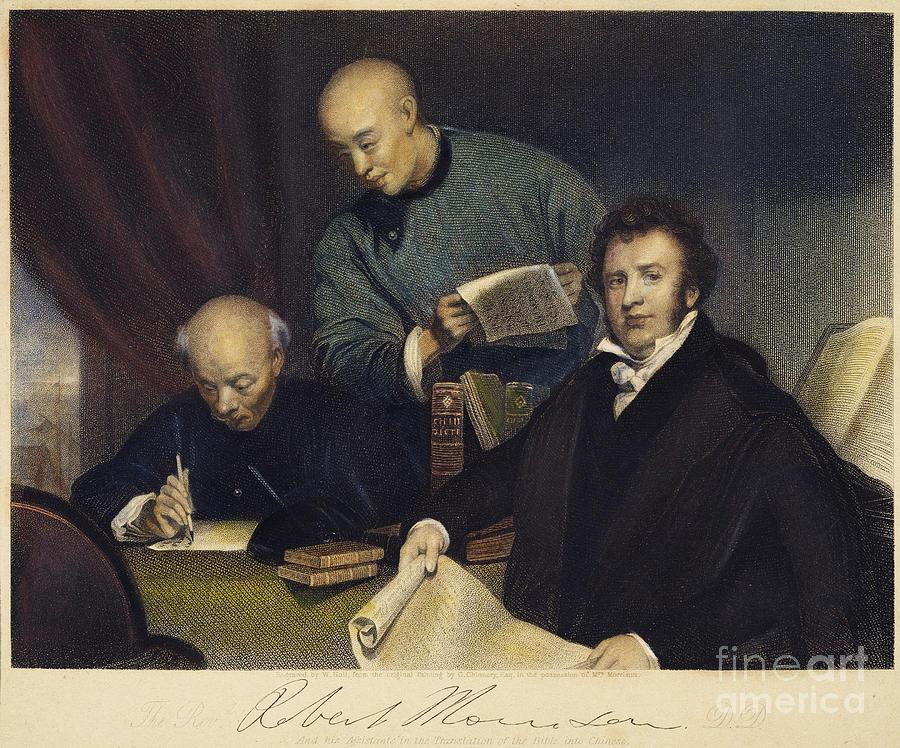
The first Protestant missionary to translate the Bible into Chinese, laying the foundation for Protestantism in China.
Timothy Richard:
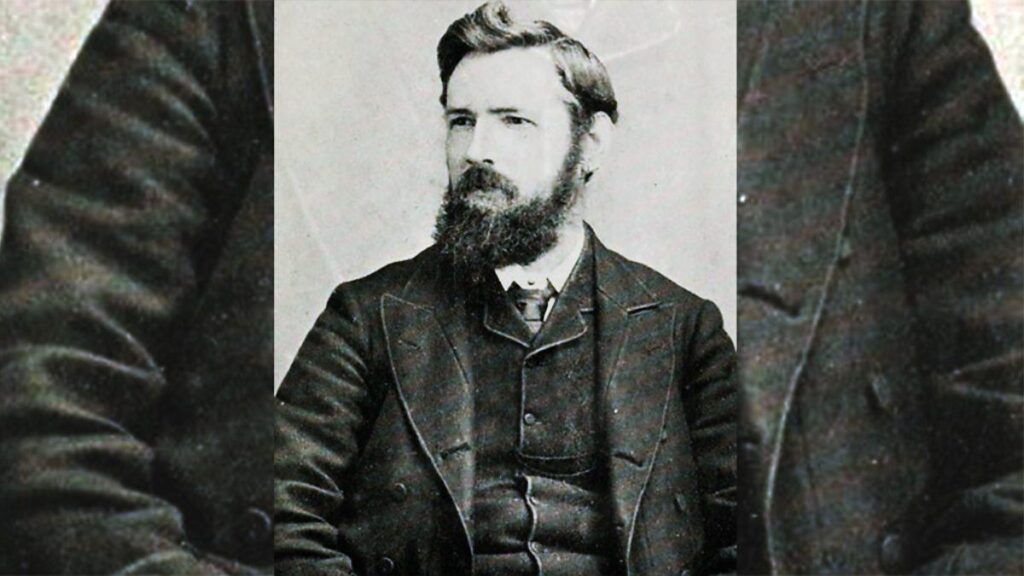
A prominent Protestant missionary of the late 19th century who advocated using education and charitable endeavors as means to propagate Christianity, and who founded numerous schools in China.
Watchman Nee:

A prominent indigenous Chinese Protestant leader who, in the early 20th century, founded the “Local Churches” movement, thereby influencing a vast number of Chinese Protestants.
To date, the precise number of Christians in China remains difficult to ascertain; however, estimates typically range between 30 million and 100 million. These figures primarily reflect the discrepancies between official government statistics and unofficial independent estimates.

The distribution of Christians in China exhibits distinct regional variations. Broadly speaking, Christians are primarily concentrated in China’s rural areas and certain specific provinces; however, the number of believers in urban areas is also increasing year by year.
Key areas of concentration include:
Henan Province: Henan is home to one of the largest Christian populations in China, particularly regarding Protestants. “House churches” (unregistered congregations) are especially active in this province, and Christianity is widely disseminated throughout its rural regions.
Anhui Province: Anhui also possesses a substantial Christian population; here, both house churches and “Three-Self Churches” (state-sanctioned congregations) coexist, with believers predominantly concentrated in rural areas.
Zhejiang Province: Wenzhou, located in Zhejiang Province, is often referred to as the “Jerusalem of China” and serves as a quintessential example of the development of urban Christianity in the country. Both house churches and official churches are highly active in Wenzhou, and Christians in the region wield significant commercial influence.
Jiangxi and Fujian Provinces: These two provinces also feature relatively large Christian populations; particularly in rural areas, house churches possess deep-rooted foundations.
The Three Northeastern Provinces (Liaoning, Jilin, and Heilongjiang): Christianity—specifically Protestantism—has developed rapidly in the Northeast region, with the number of believers showing continuous growth in recent years.
Major Cities: Although Christians constitute a relatively small percentage of the total population in major metropolises such as Beijing, Shanghai, and Guangzhou, the sheer size of these cities’ populations means that the actual number of believers remains substantial. Moreover, this demographic consists largely of well-educated individuals. These believers primarily gather in official churches or in various unregistered house churches.